AFFA News
AFFA Semi-Annual Conference 2025 Highlights Public-Private Logistics Cooperation
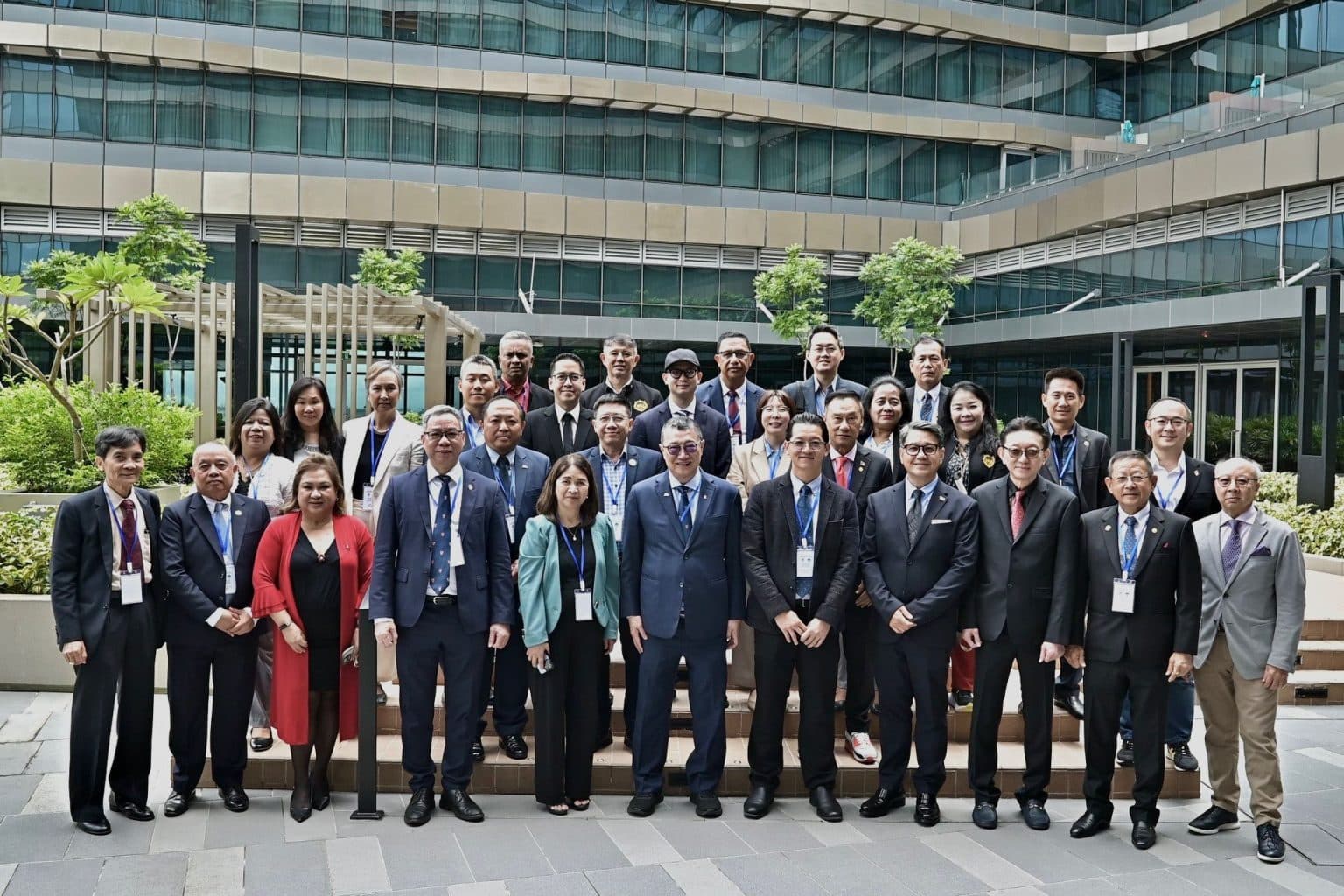
The 2025 AFFA semi-annual conference in Pasay City put public-private coordination at the centre of ASEAN freight forwarding cooperation.
Summary
Regional logistics leaders gathered in the Philippines for the AFFA semi-annual conference, where government and industry cooperation was presented as a practical model for improving freight forwarding performance.
This article is an AFFA editorial rewrite based on the source cited below. It is published to help freight forwarders, national associations, and logistics partners follow regional developments without treating the source text as an AFFA statement unless AFFA is directly named in the source.
Regional context
The source records remarks from the Philippines Department of Trade and Industry and links AFFA discussion with cross-border coordination, industry participation, and the role of national logistics associations.
For ASEAN freight forwarding, the practical issue is not only whether a meeting, report, or programme has been announced. The more important question is how the development changes day-to-day readiness: documentation, customs coordination, multimodal planning, technology adoption, training, and communication between national associations.
Relevance for AFFA members
For AFFA members, the event reinforces that regional connectivity depends on both policy channels and operator feedback. Association-led dialogue can help turn facilitation goals into workable border, documentation, and service processes.
Members can use this update as a prompt to review country-level priorities, identify where association advocacy is needed, and prepare more consistent information for shippers, carriers, customs brokers, ports, airports, technology partners, and public agencies.
Operational takeaways
Freight forwarders should track the policy timeline, compare it with customer demand, and translate regional themes into concrete service improvements. Useful next steps include mapping affected corridors, checking data and document standards, refreshing internal compliance notes, and preparing questions for public-private dialogue.